
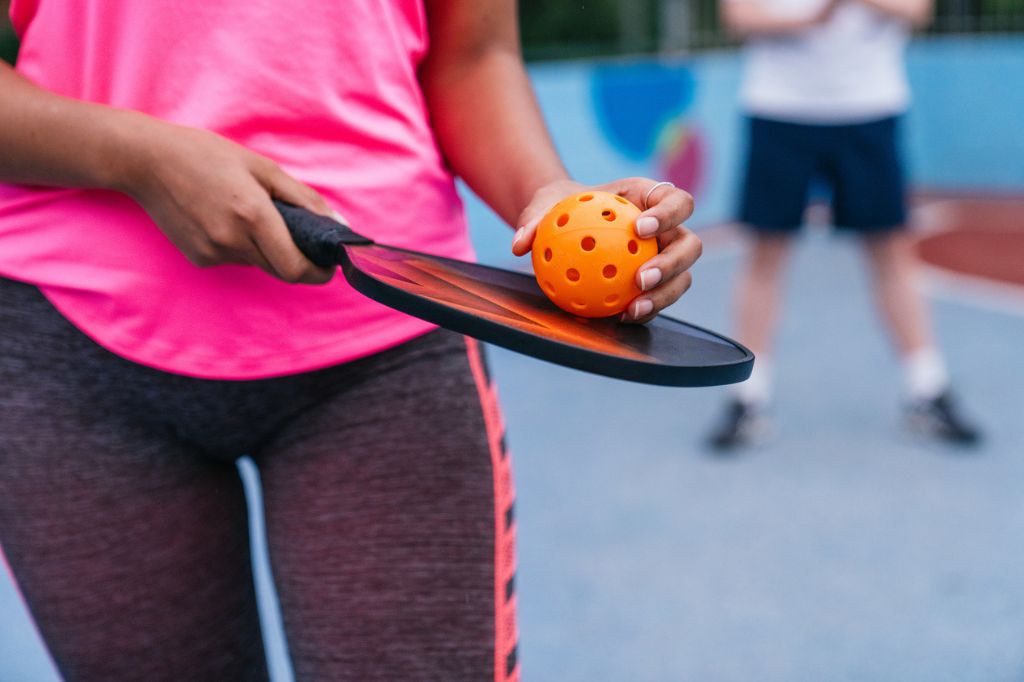
Pickleball has transformed from a backyard novelty into America’s fastest-growing sport, sweeping through retirement communities and recreation centers with remarkable speed. The Sports & Fitness Industry Association reported that participation jumped 158.6% over three years, with more than 13.6 million Americans now playing regularly. The largest growth has occurred among players over 55, who are drawn to the sport’s smaller court size, social atmosphere, and seemingly accessible learning curve.
But underneath this feel-good story, orthopedic specialists are witnessing a troubling trend. As more people pick up paddles for the first time, sports medicine clinics are seeing a surge in pickleball-related injuries, particularly among older, novice players who underestimate what the sport demands from their bodies.
Orthopedic Specialty Institute’s very own Dr. Martin Weaver, M.D., dug into the latest research to reveal what’s really happening on pickleball courts across the country. Here’s what he found.
The Achilles Tendon Problem That’s Sidelining Players
A 2025 study published in the Journal of the American Academy of Orthopaedic Surgeons revealed concerning patterns about how pickleball affects one of the body’s most vulnerable structures. Researchers analyzed 42 patients who ruptured their Achilles tendons while playing pickleball between 2013 and 2023.
The average age of players who suffered a complete Achilles tendon rupture was 63.9 years. What alarmed researchers was the timing: 68% of patients tore their Achilles tendon within the first month of playing, and nearly one-third suffered the injury during their very first game. These weren’t seasoned athletes pushing their limits, but enthusiastic beginners who showed up at their local recreation center and within hours heard a distinctive pop in the back of their lower leg. This pattern contradicts the sport’s reputation as a gentle alternative to tennis.
Why Pickleball Is Hard on the Achilles Tendon
The Biomechanics of Pickleball Movement
Your Achilles tendon connects your calf muscles to your heel bone and handles enormous forces, bearing loads up to eight times your body weight during running and jumping. Pickleball requires constant, explosive acceleration and deceleration. You’re sprinting forward to the kitchen line, immediately backpedaling to handle a lob, then lunging sideways for a wide shot.
Each rapid direction change loads a massive force through the Achilles tendon, demanding quick contractions from often-deconditioned calf muscles.
Age-Related Tendon Degeneration
The problem becomes acute for players over 50. Tendons naturally lose elasticity and blood supply through a process called tendon degeneration. Research published in the International Journal of Molecular Sciences shows these age-related changes create weak spots that may cause no symptoms until suddenly subjected to forces beyond their capacity.
The rupture is unmistakable. Patients describe hearing a distinct “pop,” often feeling like someone kicked them from behind. Walking becomes difficult or impossible without assistance.
Most Players Don’t Return After Pickleball Injury
The Psychology of Fear After Achilles Rupture
The study’s follow-up data revealed a sobering reality. Despite favorable healing outcomes, only 47% of patients ever returned to playing pickleball. More than half never stepped back onto a court, even after their tendons healed.
Fear dominated the responses. All but one patient who didn’t return cited fear of reinjury as their primary reason. For those who did return, the journey back averaged 1.6 years. The study found no significant differences in outcomes between surgical and nonsurgical treatment.
Other Common Pickleball Injuries
While Achilles ruptures are the most dramatic, other problems frequently affect players:
- Knee injuries from lateral movements and lunging, particularly with existing osteoarthritis
- Rotator cuff problems from repetitive overhead serving
- Ankle sprains during rapid direction changes
- Tennis elbow from repetitive gripping and wrist motion
- Lower back pain from improper bending mechanics
Why Beginners Face the Highest Risk
The Vulnerability Window for New Players
The finding that 68% of Achilles ruptures occurred within the first month points to a critical vulnerability period. Most people starting pickleball haven’t been regularly active, creating a dangerous mismatch between actual requirements and preparation levels.
Beginners lack proper technique and often have muscle imbalances from years of sitting. Many jump into daily games without allowing the recovery time that aging tissues need, accumulating stress until something gives.
How to Play Pickleball Safely
Preparation Steps Before Your First Game
Smart preparation reduces your risk:
Get assessed first. If you’re over 50 or haven’t been active, see an orthopedic specialist before starting to identify existing problems.
Wear proper shoes. Court shoes designed for lateral movement provide better support. Replace them every 6 to 12 months.
Always warm up. Walk briskly for 5 to 10 minutes, then perform dynamic stretches before playing.
Building Your Game Gradually
Progress gradually. Start with 20 to 30-minute sessions every other day, not daily games.
Learn proper technique. Take lessons from a certified instructor to distribute stress evenly and reduce injury risk.
When to See a Specialist
Certain warning signs require professional evaluation: sudden, severe pain with a popping sensation, persistent pain lasting more than a week despite rest, swelling that doesn’t resolve within 24 hours, or decreased range of motion in a joint.
Located in Fort Lauderdale, Orthopedic Specialty Institute serves patients throughout South Florida. Our sports medicine specialists have extensive experience treating pickleball injuries and helping players return to the court safely. Request an appointment online today.
