
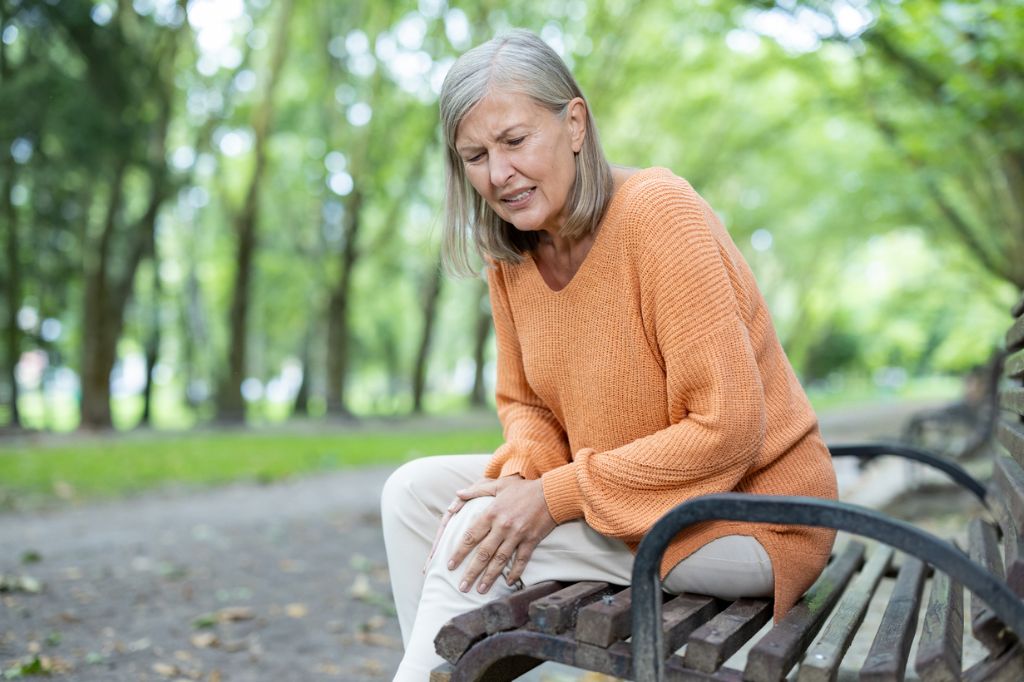
Many patients report that their joint pain worsens with weather changes. A nagging knee ache flares up before a rainstorm. Hip stiffness appears when the temperature drops. Shoulder pain intensifies when a cold front moves through.
Patients often hesitate to mention these patterns during appointments, concerned that weather-related joint pain sounds more like folklore than medical fact. Recent research, however, confirms that weather changes genuinely affect joint pain through measurable physiological mechanisms.
If you’ve noticed your joints respond to dropping temperatures or barometric pressure changes, you’re not imagining it. The connection between weather and joint pain is backed by science, not superstition.
The Research: Weather Really Does Affect Joint Pain
A 2025 study from McGill University followed 87 patients who underwent total knee replacement surgery. Before surgery, 31% reported weather-related pain in their knees. These weren’t vague complaints. Patients described specific patterns: pain that intensified with cold, rain, or humidity, typically in an intermittent pattern rather than constant discomfort.
After total knee replacement, nearly half of the patients no longer had weather-related knee pain.
In a companion study on hip replacements, the same research team surveyed 331 patients. Before surgery, 18% reported weather-related hip pain. Surgery resolved this in about 69% of cases.
These findings validate what many patients experience but hesitate to report. Weather-related joint pain is documented, measurable, and affects a substantial number of people with joint conditions.
How Cold Weather Triggers Joint Pain
Several mechanisms explain how weather changes translate into the aching, stiffness, or sharp pains you feel in your joints.
Barometric Pressure Drops Increase Internal Joint Pressure
When a storm approaches, barometric pressure drops. This is one of the most consistent triggers of weather-related joint pain.
The pressure change affects the fluids and gases in your joints differently than the surrounding tissues. Your joints contain synovial fluid, which lubricates the cartilage surfaces. When external air pressure drops, this fluid can expand slightly or shift, increasing pressure inside the joint capsule, according to Constance Chu, a surgeon scientist at Stanford University, in an article from The Scientist.
If you have arthritis or joint inflammation, there’s less room for this expansion. The result? Increased pressure on nerves in and around the joint, triggering pain signals.
Cold Temperatures Change Tissue Properties
Cold temperatures directly affect the physical properties of the tissues in and around your joints.
Synovial fluid becomes more viscous when cold, like motor oil on a winter morning. This thicker fluid doesn’t lubricate as effectively, increasing friction between joint surfaces.
Recent research found that cold exposure affects cartilage at the cellular level. They discovered that cold temperatures downregulate a protein called APOE in cartilage cells, accelerating osteoarthritis progression in mice. While this research is still in early stages, it suggests cold weather doesn’t just make existing arthritis feel worse. It might actually contribute to joint degeneration.
Collagen, the protein that makes up cartilage and other connective tissues, also changes with temperature. Cold makes these tissues stiffer and less flexible. When you try to move a cold, stiff joint, you put more stress on the structures, triggering pain receptors.
Inflammation Amplifies Pain Signals
If you have arthritis or another inflammatory joint condition, you’re dealing with chronic, low-grade inflammation even on good days. This inflammation makes the nerves around your joints more sensitive.
Cold and damp weather affects blood flow and how your sympathetic nervous system responds. Changes in circulation can amplify existing inflammatory pain signals.
The McGill researchers noted this phenomenon in their studies: patients with pre-existing joint inflammation were far more likely to develop weather sensitivity than those with healthy joints.
Aging Tissues Respond Differently
As we age, connective tissues lose elasticity. Collagen develops more crosslinks, making it stiffer. At the same time, aging cartilage retains more water, leading to swelling.
When temperature or pressure changes occur, these aged tissues can’t adapt as well as younger, more elastic tissues.
Old injuries add another layer of complexity. Scar tissue from previous joint injuries has different mechanical properties than healthy tissue. It’s stiffer, less flexible, and more sensitive to temperature changes.
This may explain why people often say an old knee injury or previous ankle sprain “predicts rain.”
Managing Cold Weather Joint Pain
While you can’t control the weather, you can take steps to minimize its impact on your joints.
- Keep your joints warm. Layer clothing appropriately and consider compression sleeves or braces that provide both warmth and gentle support. Pay attention during temperature transitions, as gradual changes are easier on joints than sudden cold exposure.
- Stay active. Gentle movement keeps synovial fluid circulating and maintains flexibility. A morning stretching routine can counteract weather-related stiffness. Swimming in heated pools combines movement benefits with warmth.
- Maintain a healthy weight. Extra pounds add stress to weight-bearing joints. In cold weather, when joints are already compromised by temperature and pressure changes, excess weight amplifies discomfort.
- Manage underlying inflammation. Work with your doctor to control inflammation, reducing your baseline pain level and making you less vulnerable to weather-triggered flare-ups. Anti-inflammatory medications can help when used appropriately.
- Work with a physical therapist. A targeted physical therapy program strengthens supporting muscles, improves flexibility, and reduces overall pain. Stronger, more flexible joints handle temperature and pressure changes better.
- Plan ahead when possible. If a storm is approaching and you’re sensitive to barometric pressure changes, schedule important activities accordingly. This is smart planning based on how your body responds to environmental conditions.
When to See a Specialist for Weather-related Joint Pain
Occasional aching when the weather changes is common and usually not concerning. However, certain patterns warrant evaluation by an orthopedic specialist:
- Pain that’s progressively worsening with each weather change
- Weather-related pain that lasts days rather than hours
- Joint swelling, warmth, or redness accompanying the weather-related pain
- Pain that significantly limits your ability to perform daily activities
- New weather sensitivity in a joint that never bothered you before
- Weather-related pain combined with other symptoms like fatigue, fever, or unexplained weight loss
These symptoms might indicate advancing arthritis, inflammatory conditions, or other joint problems that need treatment.
If weather changes are significantly affecting your quality of life, don’t accept it as inevitable. Treatment options exist, from conservative management to advanced interventions, including joint replacement when appropriate.
Located in Fort Lauderdale, Orthopedic Specialty Institute serves patients throughout South Florida, including Broward County, Palm Beach County, and Miami-Dade County. Our team can help address joint pain that’s limiting your activities, whether it’s related to weather changes or any other cause.
