
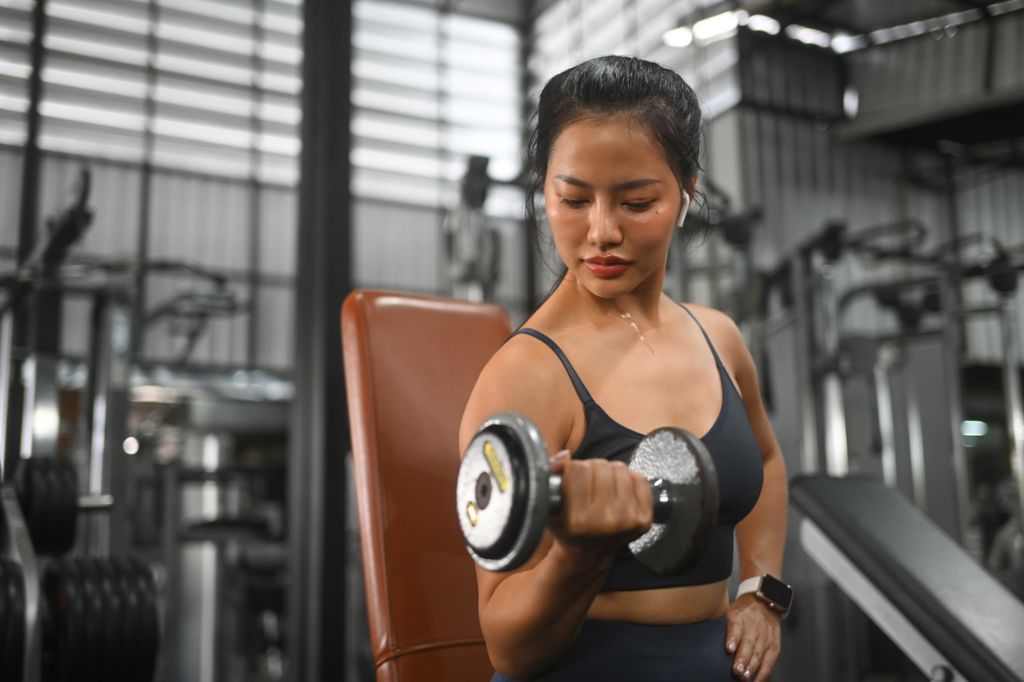
If you’ve ever felt a sharp twinge or persistent ache in your elbow during or after lifting, you’re definitely not alone. Elbow pain when lifting weights or everyday objects is surprisingly common, affecting everyone from weekend warriors hitting the gym to people simply carrying groceries or moving boxes at home.
Your elbow might seem like a simple hinge joint, but it’s actually a complex structure where three bones meet, supported by muscles, tendons, and ligaments that work together every time you lift, grip, or twist. When something goes wrong in this intricate system, even the simplest lifting motions can become painful and frustrating.
Let’s dive into why your elbow might be protesting when you lift and what you can do about it.
What Causes Elbow Pain When Lifting?
The most common culprits behind elbow pain during lifting activities are overuse injuries that develop gradually over time. These conditions happen when repetitive motions or excessive stress overwhelm your elbow’s ability to recover and repair itself.
Tennis Elbow
Tennis elbow, also known as lateral epicondylitis, is probably the most well-known cause of elbow pain when lifting. Despite its name, you don’t need to play tennis to develop this condition. It occurs when the tendons that attach to the outside of your elbow become inflamed or develop tiny tears from overuse. This is especially common in people who do repetitive gripping motions or lift objects away from their body.
Golfer’s Elbow
Golfer’s elbow, or medial epicondylitis, affects the inside of your elbow and involves the tendons that control wrist and finger flexion. Like tennis elbow, it’s caused by repetitive stress, but it typically hurts more when you’re gripping objects or flexing your wrist.
Bicep Tendonitis
Bicep tendonitis can cause pain in the front of your elbow, especially when lifting weights overhead or performing bicep curls. The bicep tendon can become irritated from sudden increases in training intensity or poor lifting form.
Tricep Tendonitis
Tricep tendonitis affects the back of your elbow and is often seen in people who do a lot of pushing movements like bench press or overhead pressing exercises.
Common Signs and Symptoms of Lifting-Related Elbow Pain
Recognizing the specific type of pain you’re experiencing can help pinpoint what’s going on in your elbow. Here’s what to watch for:
- Pain location matters. Outside elbow pain that worsens when you grip objects or lift with your palm down typically points to tennis elbow. Inside elbow pain that flares up when you make a fist or flex your wrist suggests golfer’s elbow.
- When the pain occurs is equally telling. Some people only feel discomfort during the actual lifting motion, while others experience lingering pain for hours afterward. Pain that starts during lifting and immediately improves with rest often indicates an acute muscle or tendon issue.
- Weakness and stiffness frequently accompany elbow pain when lifting. You might notice your grip strength has decreased, or your elbow feels stiff first thing in the morning. Some people describe a sensation of their elbow “catching” or not moving as smoothly as usual.
- Radiating pain can extend from your elbow down into your forearm or up into your upper arm, depending on which structures are affected.
Why Weightlifting Can Trigger Elbow Problems
Weightlifting places unique demands on your elbow joint that can contribute to pain and injury when not managed properly. Contributing factors include:
Lifting Too Much Weight Too Fast
Progressive overload is essential for building strength, but increasing weight too quickly doesn’t give your tendons and ligaments time to adapt. While your muscles might feel ready for heavier weights, the connective tissues around your elbow need more time to strengthen and adjust.
Poor Form
Poor form and technique probably cause more elbow injuries than any other single factor. Using momentum to swing weights, allowing your elbows to flare out during pressing movements, or gripping the bar incorrectly all place unnecessary stress on your elbow structures.
Muscle Imbalances
Muscle imbalances can alter how forces are distributed across your elbow joint. If your chest and front deltoids are much stronger than your rear deltoids and upper back muscles, for example, this can change how your arm moves during lifting exercises and increase elbow stress.
Lack of Recovery
Inadequate recovery time between training sessions prevents the microscopic damage from exercise from healing properly, leading to cumulative stress and eventual injury.
How to Treat Elbow Pain from Lifting
The good news is that most lifting-related elbow pain responds well to conservative treatment, especially when you address it early. Here’s how to get back to pain-free lifting:
- Rest and activity modification should be your first step. This doesn’t necessarily mean complete rest from all activity, but you’ll need to temporarily avoid or modify the movements that trigger your pain. You might be able to continue some exercises while avoiding others.
- Ice therapy can help reduce inflammation and pain, especially in the first few days after symptoms appear. Apply ice for 15-20 minutes at a time, several times per day.
- Anti-inflammatory medications like ibuprofen or naproxen can help manage pain and reduce inflammation, but they should be used as directed and only for short periods.
- Gentle stretching and strengthening exercises become important as your acute pain subsides. Eccentric exercises, where you slowly lower a weight while the muscle lengthens, are particularly effective for tendon injuries.
- Proper warm-up routines before lifting can help prepare your elbow joints and surrounding muscles for the work ahead. This should include light cardio to increase blood flow and specific movements that mobilize your elbow, wrist, and shoulder joints.
When to See a Doctor for Elbow Pain
While many cases of elbow pain when lifting can be managed with conservative care, certain symptoms warrant professional medical attention:
- Severe pain that doesn’t improve with rest and basic care after a few days
- Numbness or tingling in your hand or fingers
- Obvious deformity or inability to move your elbow normally
- Signs of infection, like redness, warmth, or fever
- Pain that significantly interferes with daily activities
An orthopedic specialist can perform a thorough evaluation, potentially including imaging studies, to determine the exact cause of your elbow pain and develop a targeted treatment plan.
Preventing Future Elbow Pain When Lifting
Prevention really is the best medicine when it comes to elbow pain from lifting. Here are practical strategies to keep your elbows healthy:
- Focus on proper form before worrying about how much weight you’re lifting. Work with a qualified trainer to ensure you’re performing exercises correctly, and don’t let your form break down as you fatigue.
- Progress gradually in both weight and training volume. A good rule of thumb is to increase weight by no more than 5-10% per week, and listen to your body along the way.
- Include adequate warm-up and cool-down routines in every workout session. Your elbows need time to prepare for activity and recover afterward.
- Balance your training program to avoid overworking certain muscle groups while neglecting others. Include exercises that strengthen your posterior chain and rotator cuff muscles.
- Pay attention to your body’s signals. Mild muscle fatigue after a workout is normal, but sharp pain or persistent aching could be early warning signs of developing problems.
Get Back to Pain-free Lifting With Orthopedic Specialty Institute
Elbow pain when lifting doesn’t have to sideline you permanently from the activities you enjoy. With proper understanding, appropriate treatment, and smart prevention strategies, most people can return to full, pain-free function.
If your elbow pain persists despite conservative measures, or if you want to ensure you’re addressing the root cause of your symptoms, don’t hesitate to seek professional help.
At Orthopedic Specialty Institute, our specialists understand the unique demands that lifting places on your body and can provide targeted treatment to get you back to your active lifestyle safely and effectively.
